Stepping into the world of bird keeping can be exciting yet overwhelming. With so many species, opinions, and factors to consider, it can feel like a maze to navigate. To help, we’ve put together some essential points to consider before welcoming a feathered friend into your home.
SOCIABILITY
Birds are highly social and affectionate creatures. In the wild, they thrive in large family groups and require substantial physical and verbal interaction. Much like dogs, birds need regular socialisation and cannot be left in a cage for extended periods without companionship. At a minimum, birds should have social time and exercise for at least an hour daily. Tactile bonding is crucial, so ensure you can commit the necessary time for interaction.
ONE OR TWO?
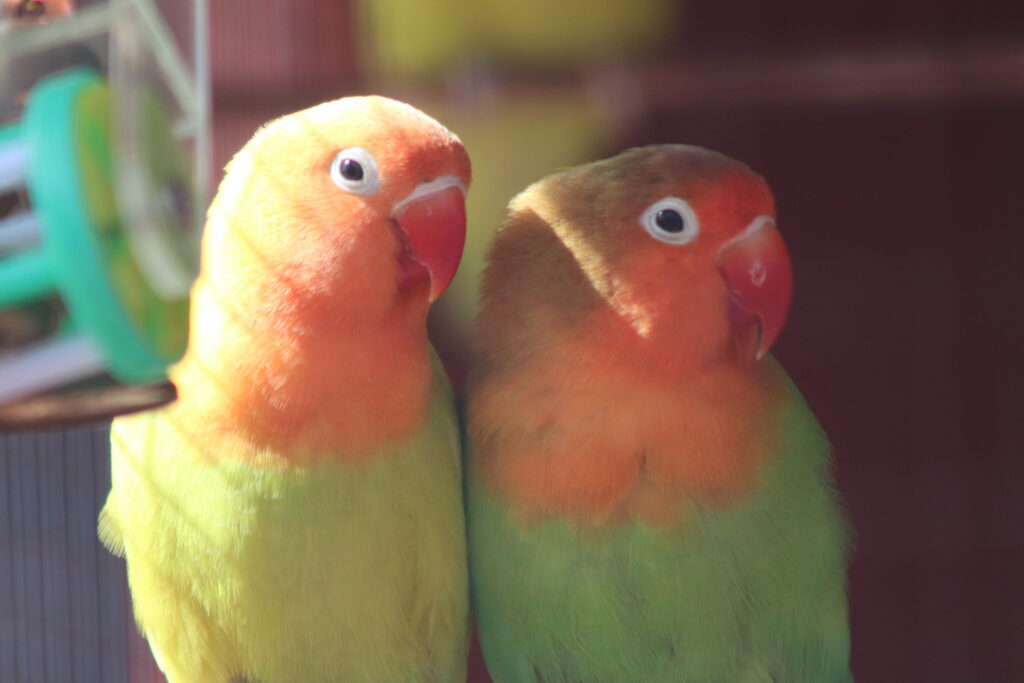
For first-time owners, it’s generally recommended to start with a single bird to facilitate taming and bonding. Some species, like lovebirds, do better in pairs, but they can be harder to tame. If you do introduce a second bird, do so gradually, keeping them in separate cages at first. Keep in mind that not all introductions are successful, and same-species pairings often work best.
Noise level
One of the most common questions is, “Which bird is the quietest?” The simple answer: none. Birds are naturally vocal animals, using a range of sounds to communicate. Even if they don’t mimic human speech, they will use their own dialect to interact. Some birds produce constant chatter, while others make occasional high-pitched calls, so what’s considered “noisy” varies by individual preference. Research your chosen species’ natural vocalizations and consider your living environment—especially if you live in an apartment or densely populated area.
Allergies & respiratory health
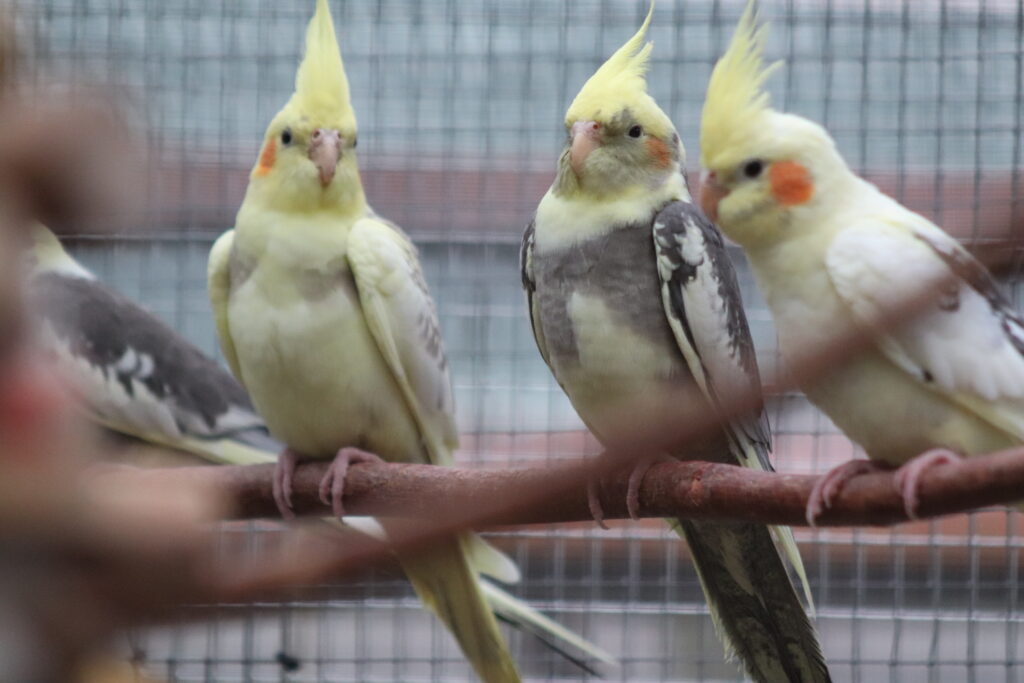
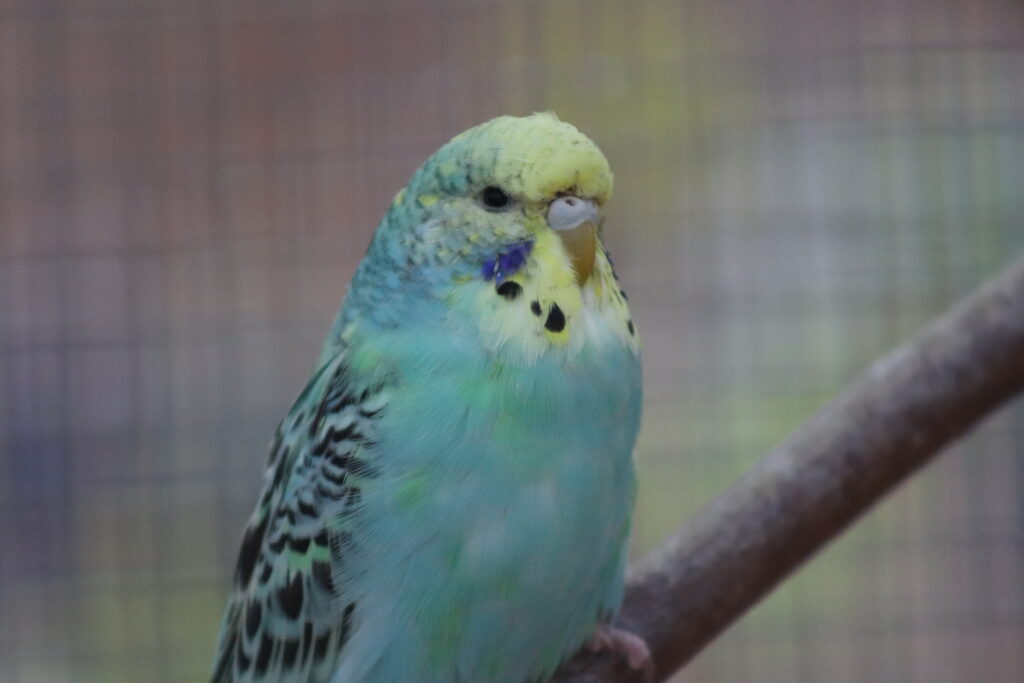
Many people turn to birds as an alternative to furry pets due to allergies. While birds are generally a safe option, certain species—such as African Greys, Cockatiels, and Budgies—produce a fine feather dust called dander. This can trigger respiratory issues like asthma or even lead to Bird Fancier’s Lung, a condition caused by prolonged exposure to feather dust. If you or a family member has respiratory sensitivities, consider species from humid environments, like South American parrots, which have oil-based feathers and require regular bathing.
space requirements
Regardless of species size, proper space is essential. While cages serve as a bird’s safe haven, incorporating a play stand or out-of-cage space is highly beneficial. The right cage should allow the bird to stretch its wings and even have short bursts of flight.
When choosing a cage:
Prioritize width over height for optimal movement.
Ensure bar spacing and strength are suitable for the species.
Some believe birds should be free-flying at all times, but cages should be seen as a safe retreat, much like a dog’s bed. Birds, being prey animals, can experience stress when constantly exposed to stimuli. A secure space allows them to rest, eat, and feel protected.
medical care
Birds have specialized health needs, making access to an avian vet essential. As prey animals, they instinctively hide signs of illness, so detecting subtle changes in behavior is crucial for early intervention. Due to their unique physiology, birds can be sensitive to stress, making gentle handling a necessity during medical care.
Avian veterinarians are less common than traditional pet vets, meaning you may need to travel for specialised care. Research available avian vets before acquiring a bird, as many have limited capacity for new clients. Additionally, bird healthcare can be more expensive due to their specialised needs.
Life span commitment
One of the most significant differences between birds and other pets is their lifespan. When properly cared for, parrots can be lifelong companions:
Large parrots like Macaws, African Greys, and Amazons can live 60–90 years.
Medium-sized parrots like Conures and Cockatiels often reach their 20s.
Even small birds like Budgies can live 10–15 years.
Given their long lifespan, potential owners should consider long-term care plans, including contingency arrangements in case they outlive their pet.
MESS & CLEAN-UP
Bird ownership comes with a significant cleaning commitment. From molting feathers to food flinging and toy destruction, parrots are not tidy pets. Certain species are especially messy due to their love of baths and dust-producing feathers. Regular cleaning routines and protective measures for household items (especially wooden surfaces) are necessary to maintain a clean living space.
FINAL THOUGHTS
Birds make wonderful, intelligent, and affectionate pets, but they require time, space, and dedication. Understanding their social, physical, and medical needs will ensure both you and your feathered companion enjoy a fulfilling and happy relationship. Before bringing a bird home, take the time to research and prepare—because a well-cared-for bird is a happy bird!